Raja Ravi Varma Oleographs: A Collector’s Guide
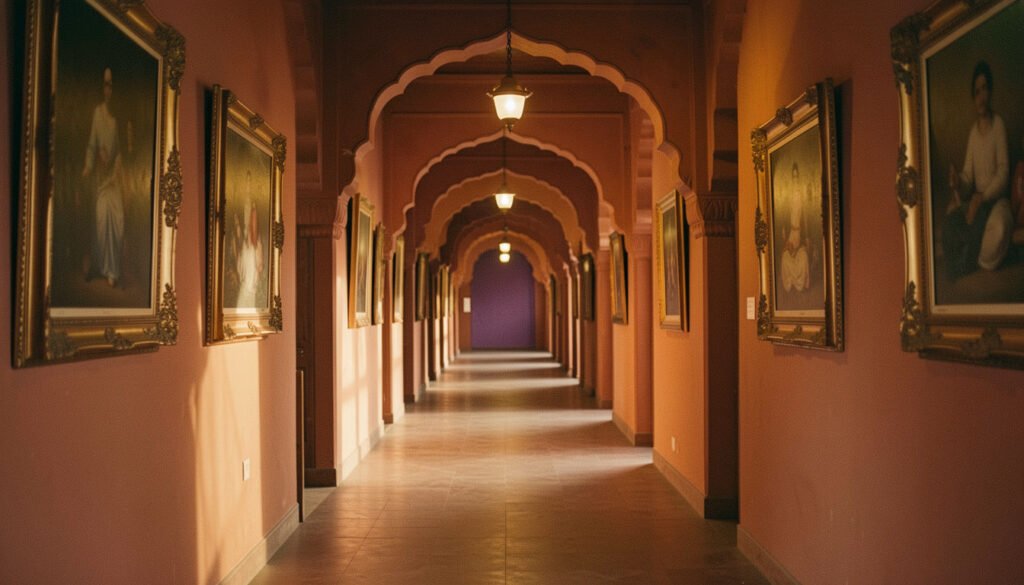
Few images have shaped how India imagines its gods and heroines as deeply as those of Raja Ravi Varma (1848–1906). The painter from Kilimanoor in Travancore combined Indian subjects with European oil-painting techniques, and then did something revolutionary: he made his art available to ordinary homes through oleographs.
The Ravi Varma Press
In 1894 Ravi Varma set up a lithographic press in Bombay to reproduce his paintings as colour oleographs. A few years later the press moved to Malavli, near Lonavala. In 1901 it was sold to Fritz Schleicher, the German technician who had been running it, and printing continued for decades under the Ravi Varma name. For the first time, a family could hang a richly coloured Lakshmi, Saraswati or Shakuntala on its wall at a modest price.
What exactly is an oleograph?
An oleograph is a colour lithograph, printed from several stones, one for each colour, and then varnished or given a textured surface so that it resembles an oil painting. Many Ravi Varma oleographs were later embellished by hand with zari, sequins, fabric or gold, which makes each of those pieces unique.
How to identify a genuine early oleograph
- Look under a magnifier. Lithographs show soft, layered colour and fine grain. Modern offset reproductions show a regular pattern of tiny printing dots.
- Read the margins. Many oleographs carry the press name and place in the lower margin. Note it, but remember that later oleographs carried the name too.
- Study the paper and back. Age-toning, old mounting, period frames and handwriting on the reverse can all support a piece’s history.
- Check the colours. Early oleographs often have a depth and subtle registration that later, cheaper runs lack.
What affects value
Age and printing period, subject, condition, the strength of the colours, and whether a piece carries genuine period embellishment all matter. Tears, water stains, insect damage and heavy fading reduce value, while an unrestored oleograph in a period frame can be especially desirable.
Caring for an oleograph
- Keep it out of direct sunlight, which fades the colours quickly.
- Frame it with acid-free mounting and avoid damp walls.
- Never try to clean the surface yourself. Consult a paper conservator.
At Antiqo
In the Ravi Varma Gallery we describe each oleograph’s likely period, its condition and any embellishment honestly, and we show close-up photographs of the margins and the back.
Explore The Ravi Varma Gallery – 1895 or ask us about an oleograph on WhatsApp.
See original Raja Ravi Varma oleographs, 10 × 14 and 14 × 20 inches, in our Ravi Varma Gallery, or message us on WhatsApp to book a video viewing.